Projects
The interest of bringing classical music and specifically the lyrical singing to all audiences is a constant in my way of doing, I suppose for different reasons. Because working as a teacher in high school I lived very rewarding moments with the students seeing that if they understood and lived the music, yes, classical music, they enjoyed it and wanted more. Phrases like “Prof, leave the opera, that we want to see it end” (a day that I wanted to project only an act of La Bohème because I had to advance matter and we just saw it whole by popular acclamation) or “My father says that since I study music I am more educated “, of a student of 4th of ESO, are moments that have marked me. We love what we understand and that is ours. Classical music is not far from us although it may seem so. It is in the imaginary, in the DNA of all of us and in our day to day advertisements, movies, mobile tones … but we are not sufficiently aware of it.
I must also confess that I enjoy explaining and sharing all the historical, plot, psychology of the character and style of the arias that I sing. A search that singers do before studying an opera aria, a role or a song and that we integrate to be able to play what we sing. I like to explain all this, I like to communicate, I need it, it must be my humanistic part that emerges when I have to sing.
I suppose that by this pedagogical and humanistic side I have initiated and will initiate different programs and concerts destined to musical dissemination. There are currently two.
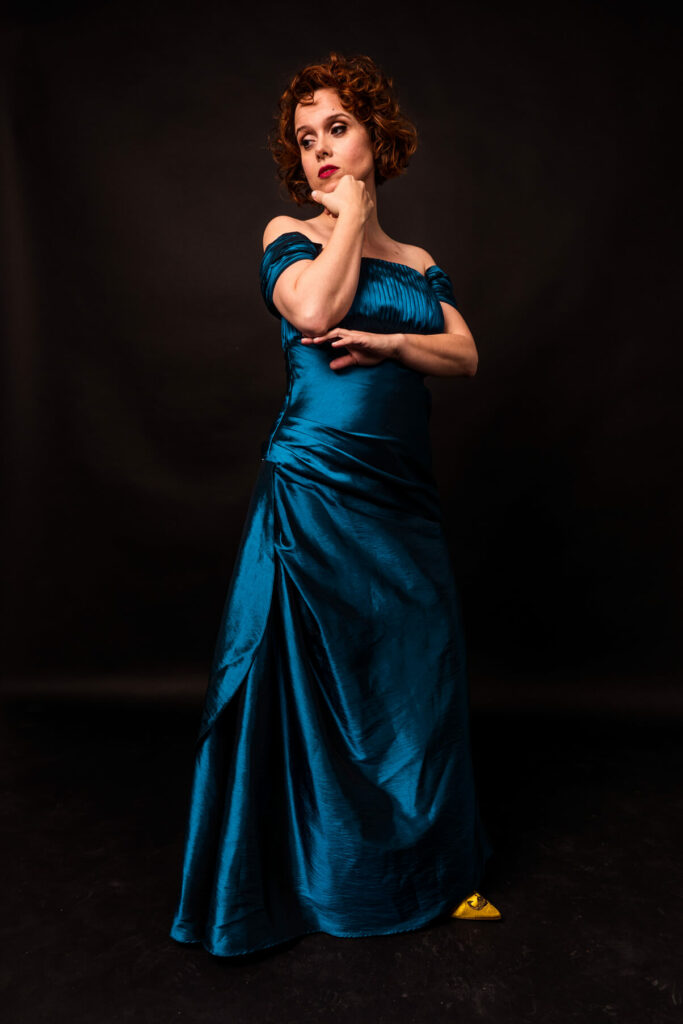
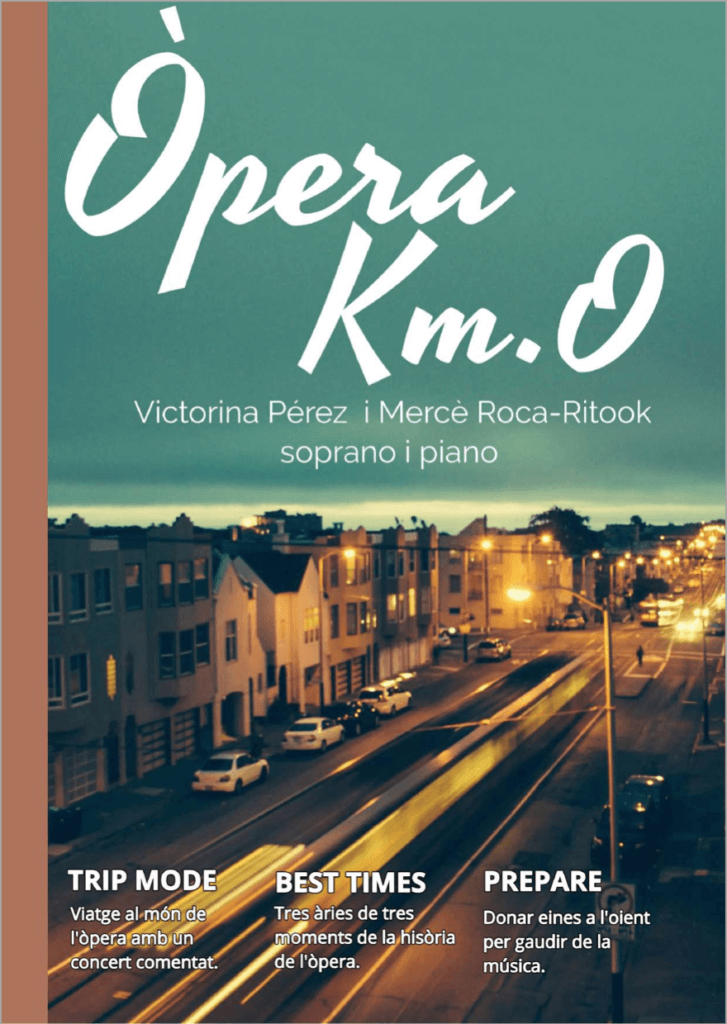
Òpera km.0
The most recent project is with the pianist Mercè Roca-Ritook: Ópera km.0, a concert of three opera arias that we explain first to the public. Three different moments in the history of music, three different themes, three composers, three musical styles and three characters. So the listener can better understand what is interpreted and I give wings to my humanist side. It is a very open concert in which we end up giving voice to anyone who wants to ask or express themselves.
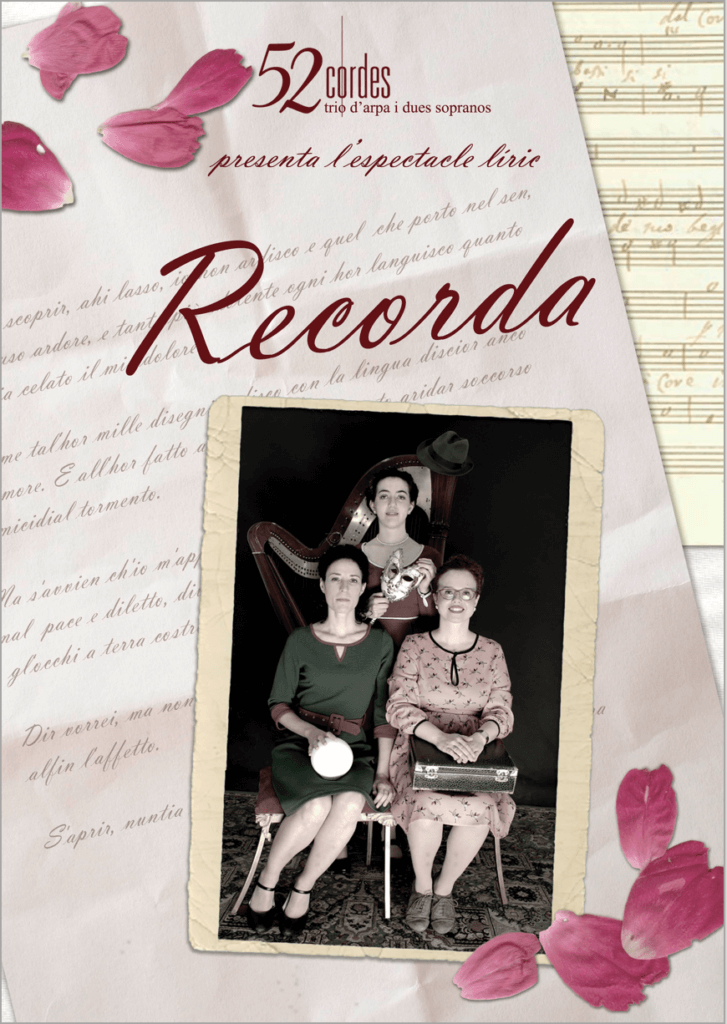
Recorda
With the trio 52 Cordes we have created Recorda, to offer a different, staged concert format, a more poetic concert in which music is also explained by movement, light and the characters that perform it. So we can offer music from Monteverdi to Fauré, from the madrigal to the opera and the mélodie in a smooth and simple way, like if nothing happens, and everything happens. Centuries go by, very different styles and very complex works but in a kind and subtle way, for all audiences.
And now I wonder if this need to make me understand, to make music understand, is nothing more than a need for the voice that wants to be heard and understood in all its facets. A personal need to be understood in all the complexity through music. Here I leave it ;))